
Obesity & Metabolic Treatment
Submit your height, weight, related conditions and medical history for a structured eligibility review. A general and obesity surgeon assesses surgical options, and an advanced-endoscopy specialist assesses whether endoscopic sleeve gastroplasty (ESG) may be appropriate instead.
No reports yet? You can still start an enquiry. Ask a coordinator which records the specialist needs.
Who this is for
This pathway is designed for international patients seeking specialist evaluation in Obesity Surgery. We focus on clarity of options and realistic planning rather than promises.
Procedures & sub-specialties
- Laparoscopic sleeve gastrectomy (tube stomach)
- Laparoscopic obesity surgery
- Endoscopic sleeve gastroplasty (ESG) — non-surgical
- Metabolic evaluation
- Revision assessment after previous obesity surgery
Required medical documents
- Height, weight & BMI
- Related conditions (diabetes, hypertension, sleep apnea)
- Recent blood work
- Medications
- Previous obesity treatment or surgery reports
Don't have everything? Send what you have. The medical team will let you know what else is required.
Review process
- 1Eligibility review
- 2Surgeon and/or endoscopist assessment
- 3Pre-procedure tests on arrival
- 4Procedure and hospital stay as advised
- 5Nutrition and follow-up plan
Sleeve gastrectomy: questions patients ask us
Answers to the questions international patients ask our coordinators most often about sleeve gastrectomy (tube stomach surgery). They are general information; the surgeon decides what is right for you after reviewing your records.
Prepare these details for the specialist. Ask your coordinator how to share medical records securely.
- Age
- Height and current weight
- Medical conditions, such as diabetes, high blood pressure, sleep apnoea or reflux
- Medicines you take now
- Previous operations, especially on the stomach
- Whether you smoke
- Any plans for pregnancy
- Recent blood test results, if you have them
- The dates you would like to travel
Is it right for me?
What is sleeve gastrectomy?
It is a keyhole operation, done under general anaesthesia, that permanently removes about 80% of the stomach and leaves a narrow tube. Many people feel full sooner with smaller portions. It cannot be reversed. Long-term results depend on diet, activity and lifelong follow-up.
Am I eligible for sleeve gastrectomy?
Only the surgeon can decide, after reviewing your history and pre-operative tests. As context, international guidelines commonly consider surgery at a BMI above 35, or 30–34.9 with metabolic disease such as type 2 diabetes, with lower thresholds for some Asian backgrounds. Smoking, reflux, other illnesses and pregnancy plans also matter.
Can a sleeve be reversed?
No. Part of the stomach is removed permanently. If problems such as severe reflux develop later, a different operation may be discussed, but the original stomach cannot be restored. Please consider this carefully and ask the surgeon about alternatives, including non-surgical options such as endoscopic sleeve gastroplasty.
How much weight will I lose? Is it guaranteed?
No result is guaranteed. Weight loss varies from person to person and depends on your starting point, your health, diet, activity and follow-up. The surgeon explains realistic expectations for you during the assessment.
Planning your trip
Can I come on a date I choose?
Please send your health information first. We check availability, the surgeon reviews your case, and then we confirm a date in writing. Please do not buy flights until your assessment and date are confirmed.
How long will I stay in hospital and in Istanbul?
Hospital stays after sleeve surgery are commonly 1–3 days, but your surgeon decides when you can leave and when you are fit to fly. Long flights soon after surgery increase the risk of blood clots. Please confirm your date with us before buying a return ticket.
Who organises transfers, the hotel and the hospital?
Once your dates are confirmed, send us your flight details. Within your agreed package, our team coordinates airport pickup, transfers, accommodation and hospital admission, and sends your programme before you arrive. Your admission time and the hospital's fasting instructions are sent separately once the schedule is fixed.
Can someone come with me?
Yes, a companion is welcome. They cannot enter the operating theatre, but they can usually be with you before and after surgery, following hospital rules. We tell you in advance whether their accommodation is included and any extra costs.
Can I choose my own hotel?
Yes. Send us the hotel's name and address before you book it. We check that it fits the transfer plan and tell you if this changes the package price or transport costs.
Costs and payment
How much does it cost and what is included?
After the surgeon reviews your details, you receive a written quote. It lists what is included, such as the operation, hospital nights, hotel nights and transfers, what is not included, and any possible extra costs, so you can compare it before deciding.
How does payment work? Can I pay after surgery or in two parts?
The hospital requires full payment before surgery. Paying after surgery, or paying part of the amount later, is not available. Before you travel, we send you in writing the total, what it includes, any extras, and the accepted payment methods and fees.
Recovery and follow-up
What will I eat after surgery?
You move through stages: liquids, then puréed food, then soft food, then normal healthy food. As an example, UK guidance describes fluids for about two weeks, then gradual steps until about week 8. Your bariatric team gives you your personal plan.
Will I need vitamins?
Yes, for life. Most people need a multivitamin, vitamin B12, calcium, vitamin D and iron. Regular blood tests check your levels, and your team sets your doses.
When can I return to work, sport and daily life?
It varies. Many people return to normal activities after 4–6 weeks and feel ready for full work after about a month. Ask your surgeon about lifting, exercise, driving and flying. Avoid nicotine, take extra care with alcohol, and avoid pregnancy for 12–18 months.
What follow-up will I have when I am home?
Before you leave, you receive a written follow-up plan and contact details. You will need checks and blood tests with a doctor at home, so ask your local doctor about this before you travel. We offer remote support, and sometimes an in-person examination is needed. Take copies of all your records home.
Risks
What are the risks?
As with any operation, there are risks of bleeding, infection and blood clots. Specific risks include a leak from the staple line, new or worse acid reflux, gallstones with rapid weight loss, and vitamin deficiencies. The surgeon explains your personal risk and answers your questions before you decide.
After surgery: get medical help quickly if you have
- A fever or high temperature
- Tummy pain that is severe or getting worse
- A fast heartbeat or fast breathing
- Repeated vomiting, or you cannot keep fluids down
- Difficulty swallowing
- Pain, swelling or redness in a leg
Call your local emergency number straight away for chest pain, difficulty breathing, vomiting blood or heavy bleeding. Then tell your coordinator, but do not wait for a message reply before getting help.
Sources
- NIDDK (NIH): Types of weight-loss surgery
- NIDDK (NIH): Who is a candidate for weight-loss surgery
- ASMBS/IFSO 2022 indications for metabolic and bariatric surgery
- NHS: Weight loss surgery — why it's done
- NHS: Recovering from weight loss surgery
- NHS: Complications of weight loss surgery
- MedlinePlus: Gastric sleeve surgery
- ASMBS: Life after bariatric surgery
- ASMBS: Bariatric surgery procedures
- Cleveland Clinic: Gastric sleeve surgery
- TravelHealthPro (UKHSA): Travelling for treatment
Updated: 2026-10-12. General patient information; individual advice comes from your treating team.
Eligibility for surgical or endoscopic weight-loss treatment depends on BMI, related conditions, previous treatments and specialist evaluation. Long-term results depend on nutrition, follow-up and lifestyle changes. No specific weight-loss outcome can be guaranteed.
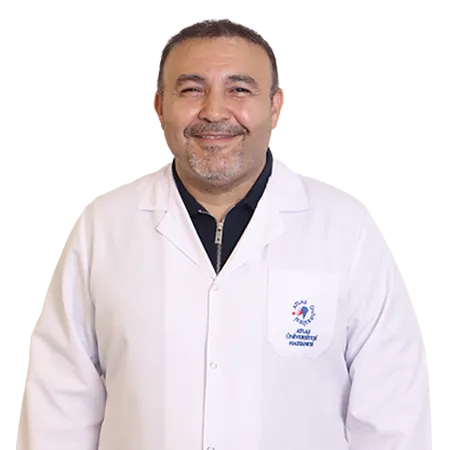
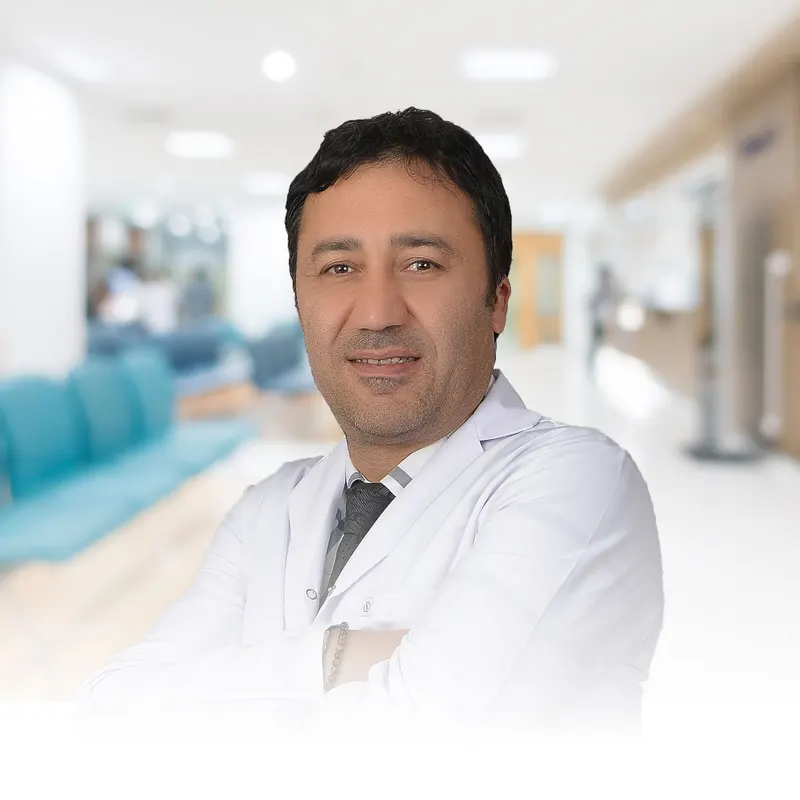
Doctors leading this pathway
Specialists who review and lead Obesity Surgery cases at Unimed.
Patient guides
Educational guides from the Unimed Editorial Team explain options and questions to ask. See each guide for its sources and authorship.