
Spinal cord surgery
Spinal Cord Surgery in Istanbul: What to Ask Before You Travel
Unimed Editorial Team · · 3 min read
A practical consultation guide to spinal cord tumours: diagnosis, treatment goals, alternatives, risks and follow-up planning before travel to Istanbul.
What does spinal cord surgery mean here?
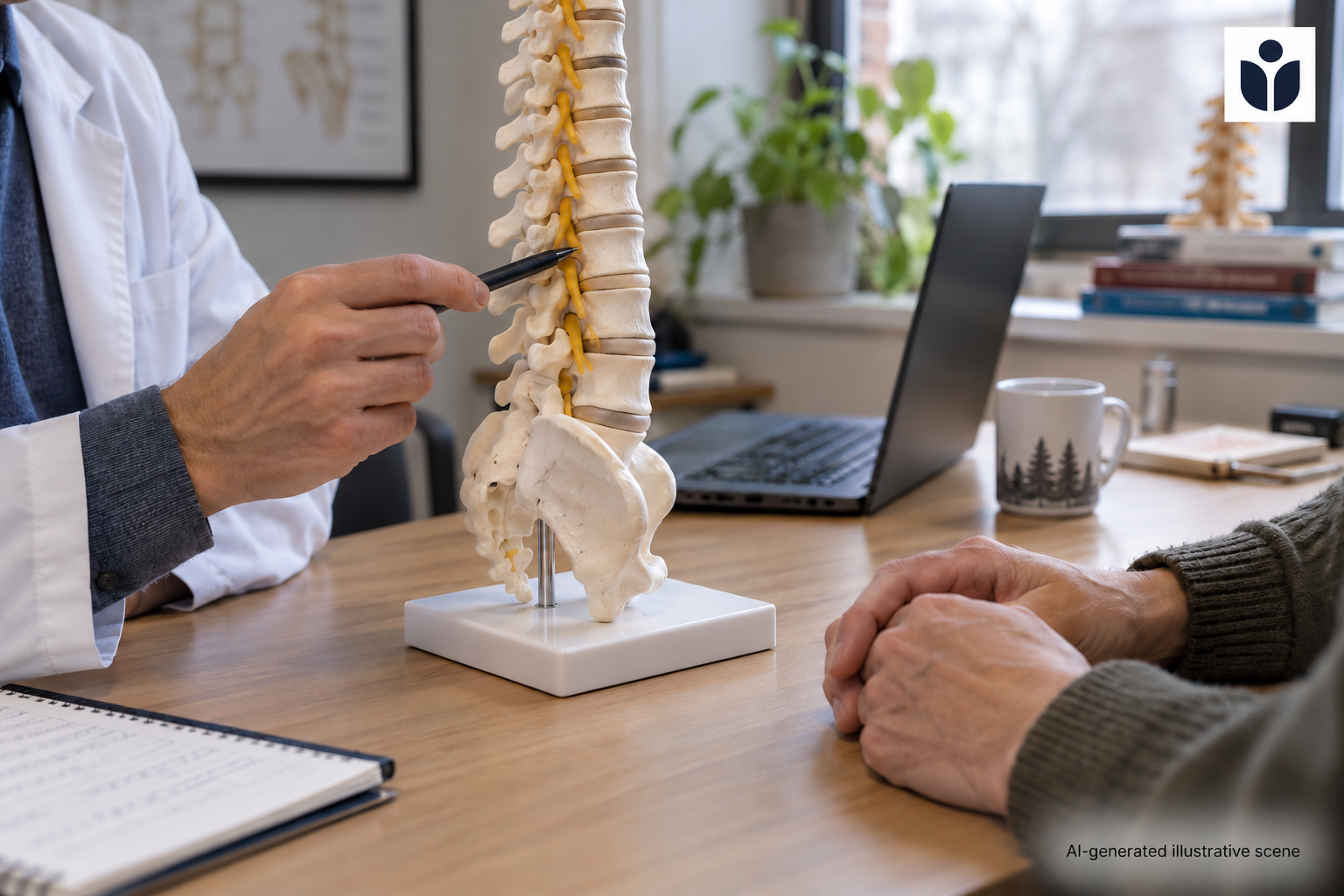
This guide focuses on assessment for a tumour affecting the spinal cord or its coverings, rather than every type of back operation. The spinal cord carries signals between the brain and body; the surrounding vertebrae are bones. Ask the specialist to explain which structure is affected in your case.
Tumours may be benign or malignant. Examination and imaging, often MRI, help establish the problem. Location, tumour characteristics and general health influence treatment. A scan report alone is not a personalised surgical plan.
Sources: [1]
When should I seek help instead of arranging travel?
New weakness, difficulty walking, altered sensation, or loss of bladder or bowel control can indicate pressure on the spinal cord. Difficulty emptying the bladder is another warning sign. In someone with cancer, new severe or worsening spinal pain also deserves urgent attention.
Seek urgent local medical assessment and explain any cancer history. Do not wait for an overseas appointment or a WhatsApp reply. Delayed treatment of spinal cord compression can cause permanent harm. These symptoms do not establish the diagnosis by themselves.
Sources: [3]
What is the goal of the proposed operation?
An intradural tumour lies inside the protective membrane around the cord. Surgery may relieve compression, but complete removal is not always safe. Leaving tissue behind may reduce the risk of serious neurological injury.
Ask the surgeon: what benefit is realistic, what might not improve, and what finding would make you limit the operation? Request a clear distinction between taking a sample and removing a tumour.
Sources: [2]
Are there alternatives to surgery?
Selected slow-growing tumours without symptoms may be monitored. Radiotherapy or other cancer treatment may be appropriate for particular tumour types. Some lesions cannot safely be sampled or removed. The right comparison depends on the diagnosis, not the destination.
Ask for the proposed monitoring schedule if observation is recommended, and which changes would trigger a new decision. Do not interpret monitoring as permission to ignore new symptoms.
Sources: [1]
Which risks need a personal explanation?
Possible complications include nerve or cord injury affecting limb function, bladder, bowel or sexual function; bleeding; infection; spinal-fluid leakage; spinal instability; persistent pain; and recurrence. Some deficits can be permanent.
Ask which risks apply to the exact procedure, how complications would be treated and whether another operation could become necessary. A general percentage is not your individual risk.
Sources: [2]
How should recovery and follow-up be planned?
After surgery, neurological checks, pain management and guided mobilisation form part of care. Physiotherapy may be needed. Obtain written wound-care instructions and a route to urgent advice about new symptoms or wound concerns.
Before booking a return flight, ask the treating team to address travel clearance, assistance during the journey, rehabilitation and follow-up near home. Discharge does not automatically mean you are fit to fly. Request a named contact for the handover.
Sources: [2]
What should I prepare for an Istanbul consultation?
Create a short timeline of symptoms and previous treatment. Ask which original images, reports and medication details the specialist needs and how to send them securely. Bring a written question list so the consultation covers your priorities.
Confirm the treating hospital, responsible clinician, proposed scope of care and follow-up arrangements before making commitments. Ask for a written explanation of what is included in any quotation; this article does not quote prices or promise availability.
Op. Dr. Akın Gökçedağ's supplied profile lists spinal cord surgery among his focus areas: https://www.unimed.clinic/doctors/op-dr-akin-gokcedag. This is not a claim that he reviewed this article or offers every technique discussed.
For non-emergency appointment coordination, use the contact options at https://www.unimed.clinic. Unimed Editorial Team provides educational information, not a diagnosis or an individual treatment recommendation.
Frequently asked questions
Does every spinal tumour require surgery?
No. Ask the specialist to compare surgery with surveillance or other treatment for the specific diagnosis.
Does benign mean harmless?
No. A non-cancerous tumour can still affect nearby neurological structures; its location and effects matter.
Can treatment guarantee normal walking or bladder function?
No. Ask what improvement is realistic and whether preserving current function is the main aim.
Can I organise travel while symptoms are getting worse?
Do not delay urgent local assessment to arrange travel, particularly with new weakness, walking difficulty or bladder or bowel changes.
References
General education, not an individual diagnosis or treatment recommendation. Suitability and treatment decisions require assessment by the treating clinician.
Have reports for this procedure?
Send them for a confidential specialist review. A coordinator confirms what is missing and when the doctor's view will be ready.